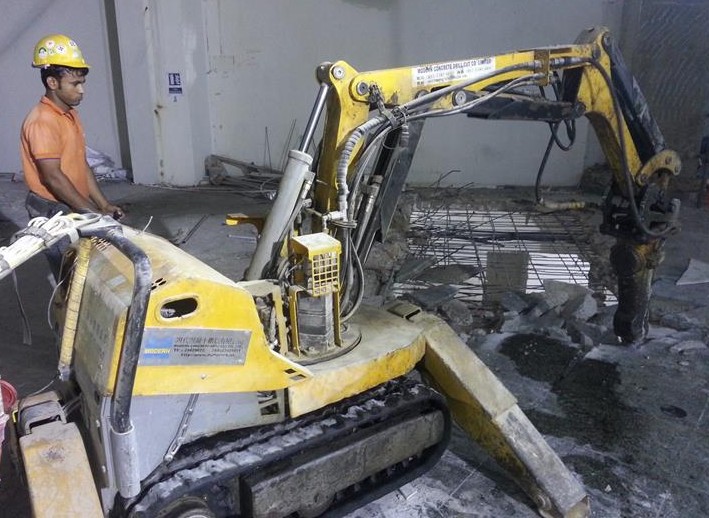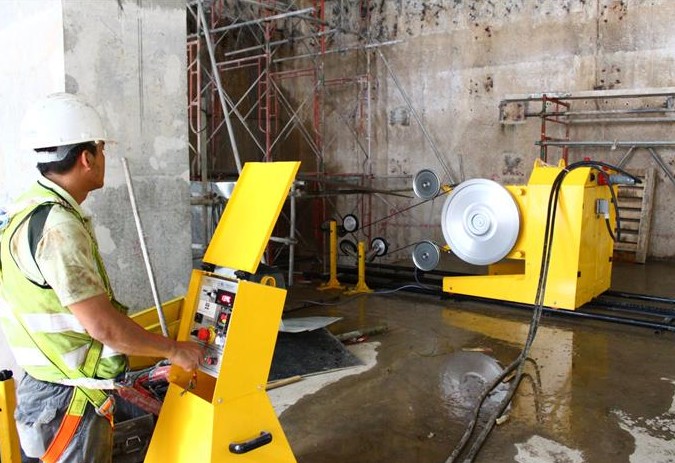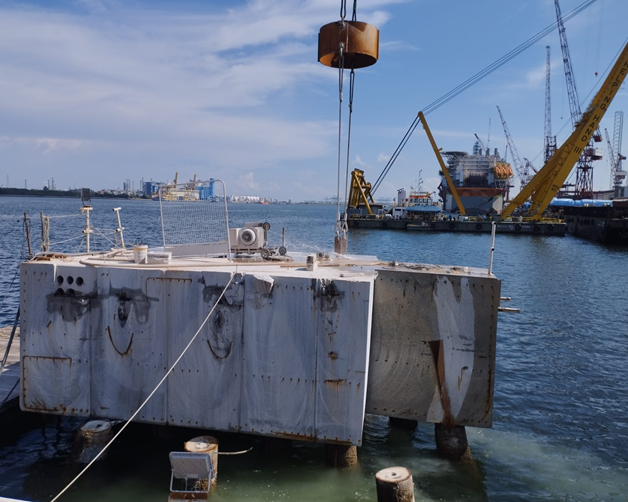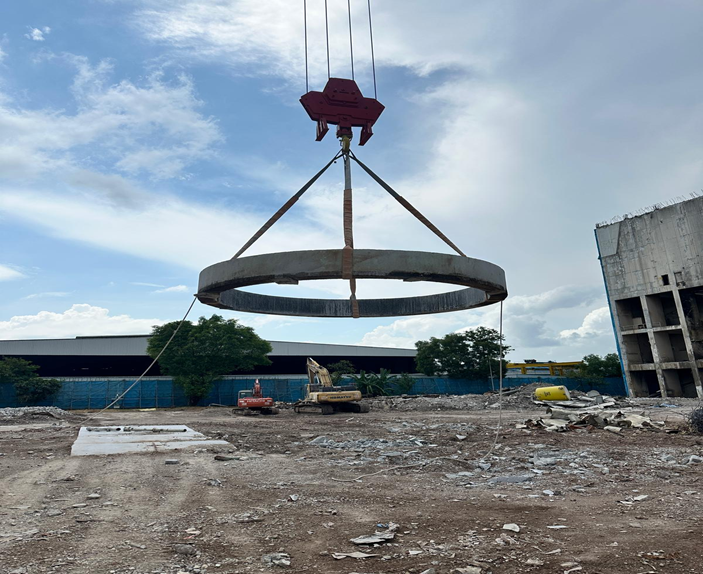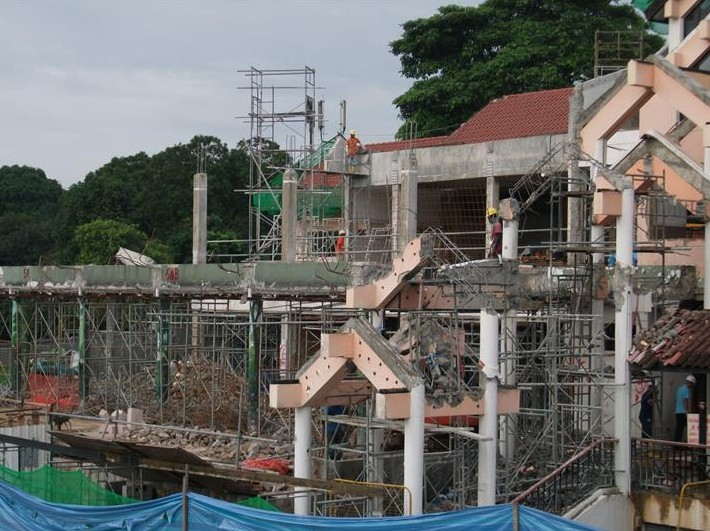
Controlled demolition refers to the deliberate, engineered dismantling of buildings, structural elements, or rock formations using low-vibration, low-noise techniques. In a compact and highly regulated environment like Singapore—where structures sit close to MRT lines, utilities, and neighbouring properties—controlled demolition is valued for its precision and minimal disturbance.
Commonly used equipment includes hydraulic concrete splitters, rock splitters, demolition shears, steel shears, Multi Cutters, and portable hydraulic power units. These systems allow contractors to carry out selective removal, structural alterations, and special-condition work safely in tight spaces.
What Controlled Demolition Means in Singapore
Controlled demolition involves selective, low-emission removal of structures using defined sequences approved through structural calculations and safety assessments. Compared with traditional high-impact methods such as heavy breakers, controlled demolition focuses on:
- Reduced vibration, supporting compliance with NEA vibration thresholds
- Protected adjacent structures, crucial in dense HDB and CBD zones
- Noise reduction, helping contractors meet NEA Noise Control Regulations
- Clean material separation, supporting BCA’s push for construction waste recycling
- Traceability and documentation, with clear demolition plans required in Method Statements
This approach is commonly required during A&A works, façade retrofits, MRT-adjacent construction, and deconstruction in operating facilities such as hospitals or data centres.
Core Methods Used in Singapore
- Hydraulic Splitting of Concrete and Rock
Hydraulic splitters exert controlled pressure through pre-drilled holes, creating predictable cracks with very low vibration.
Applications include:
- Removal of thick foundations or raft slabs in shophouses and older industrial buildings
- Breaking rock during basement construction where blasting is prohibited
- Tight urban spaces where percussive breakers risk damaging adjacent structures
Benefits include quiet operation, minimal dust, and highly controlled fracture lines.
- Concrete Demolition Shears & Combination Shears
These tools crush concrete, cut rebar, and produce manageable segments—ideal for:
- Cut-outs for lift upgrading in HDB blocks
- Creating openings for new staircases or MEP penetrations
- Removing beams or slabs without disturbing occupied floors above
- Precision works inside malls, offices, or hospitals
Portable hydraulic power units allow these tools to operate in confined indoor spaces.
- Steel Shears, Multi Cutters & Tank Cutters
These tools cut steel beams, tanks, ducts, and pipelines without heat, important for:
- Cutting storage tanks and pipework in chemical/petrochemical plants (Jurong Island, Tuas)
- Removing equipment in data centres where sparks must be avoided
- Works in ATEX-classified zones or fire-sensitive locations
- Complementary Techniques
Controlled demolition often integrates:
- Core drilling to define removal boundaries
- Saw-cutting to create clean edges
- Splitting of very thick elements
- Shear-based crushing for final removal
This coordinated approach reduces vibration transmission to neighbouring structures.
Areas of Application in Singapore
Concrete Demolition & Structural Alterations
Used heavily in:
- A&A works in commercial buildings
- MRT-adjacent projects requiring vibration monitoring
- Demolition inside HDB void decks or residential floors
Strip-Out & Selective Dismantling
Prior to major works, contractors remove:
- MEP services
- Façade systems
- Industrial plant equipment
- Non-structural partitions
Rock Demolition & Tunnelling
Hydraulic splitters offer a non-blasting alternative, useful near:
- PUB deep sewer alignments
- MRT tunnels
- Existing basements
Special-Condition Works
Used where silent, spark-free, or low-dust methods are mandatory:
- Research labs
- Pharmaceutical plants
- Hospital operating floors
- Power stations
Planning & Safety Requirements in Singapore
A controlled demolition plan must consider:
- Structural analysis approved by a PE
- Temporary support and load transfer routes
- Utilities mapping (PUB, SP Group, LTA)
- NEA noise & vibration limits
- Logistics planning in restricted work zones
A typical workflow includes:
- Survey & services verification
- Saw-cutting or core drilling
- Splitting or crushing in segments
- Segmented lifting and removal
- Clean separation of concrete and steel
Environmental & Neighbourhood Protection
To comply with NEA and local authority requirements:
- Water-misting is used for dust suppression
- Vibration monitoring devices are installed where needed
- Work hours are controlled for residential areas
- Noise-reduction shears or splitting tools are preferred over impact breakers
Quality Control
Quality is seen in:
- Defined cut edges
- Low secondary damage
- Material separation for recycling at licensed C&D facilities
- Documentation for audits and PE sign-offs
Controlled demolition in Singapore is all about precision, safety, and minimal disturbance. Instead of noisy impact methods, contractors use tools like hydraulic splitters and demolition shears to remove concrete and rock quietly and safely. This helps protect neighbouring buildings, meet NEA noise/vibration rules, and ensure proper recycling of materials. It is essential for A&A works, MRT-adjacent projects, hospitals, and any environment where noise, vibration, or dust control is critical.
Modern Concrete Drill Cut (Singapore) Pte Ltd supports these requirements by delivering safe, efficient, and highly controlled demolition solutions tailored for Singapore’s dense urban landscape.